Heating & Air Conditioning in Cleburne, TX
Countryside Heating & Air handles residential and light-commercial heating and cooling across Cleburne and the surrounding area. From an AC that quit in a heat wave to a furnace that won't light on the first cold night, the fastest way to get help is to call — you'll reach a local technician, not a call center.
Duct cleaning & sealing
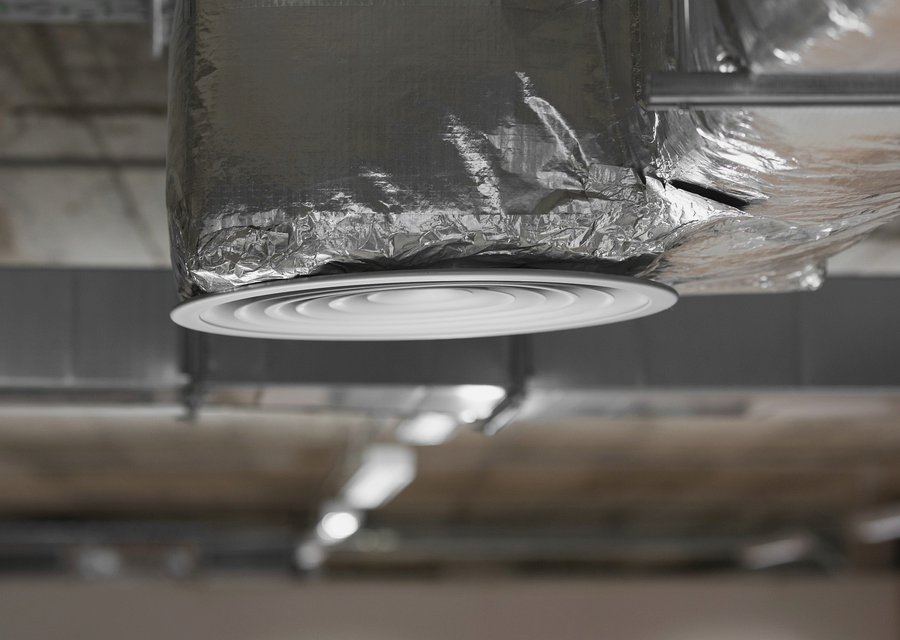
Airflow restoration and leak sealing to fix uneven rooms and dusty air.
Blower & motor repair
Failed blower motors, capacitors, and fan issues restored to spec.
AC installation & replacement
Properly sized new systems with load calculations, from value units to high-SEER equipment.
Furnace installation
High-efficiency furnace installs with correct venting, sizing, and thermostat setup.
Heat pump service
Install, repair, and tune-ups for air-source and cold-climate heat pumps.
Thermostat installation
Smart and programmable thermostat wiring, setup, and configuration.
Heating & Cooling in Cleburne, Texas
Texas heat is a season-long endurance test — Cleburne air conditioners routinely run from March to November, and grid-stressing summer peaks make efficient, well-maintained equipment pay for itself. Sudden winter freezes have also proven that reliable heating can't be an afterthought. Local providers like Countryside Heating & Air understand these conditions and service equipment accordingly.
Common HVAC Problems in Cleburne
Furnace ignition failures
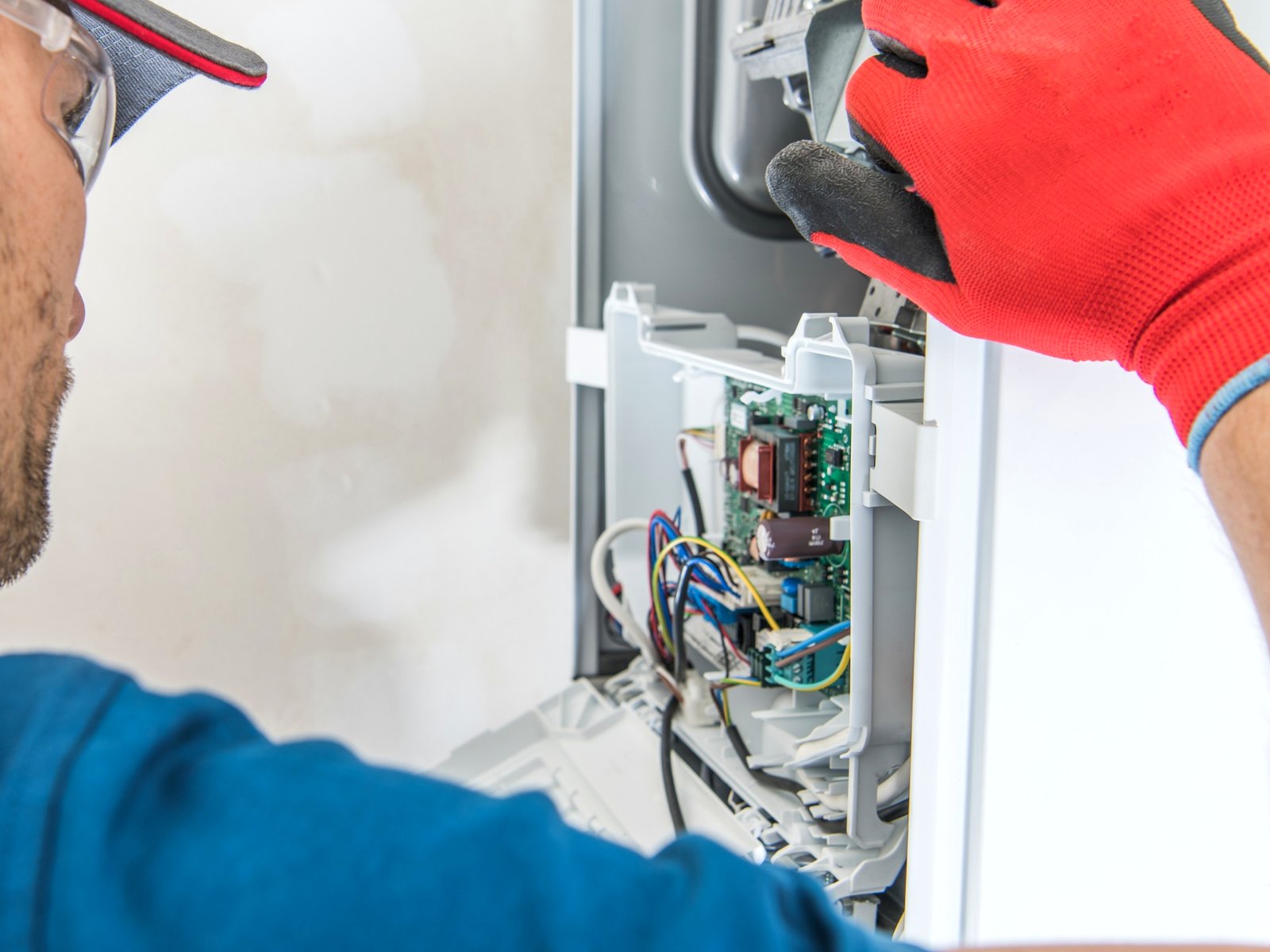
A furnace that clicks but will not light may have a dirty flame sensor, faulty igniter, or gas supply issue — problems best diagnosed by a trained technician.
Frozen evaporator coil
Ice on the indoor coil chokes cooling entirely. Restricted airflow or low refrigerant are the usual causes, and running the unit while frozen risks compressor damage.
AC blowing warm air
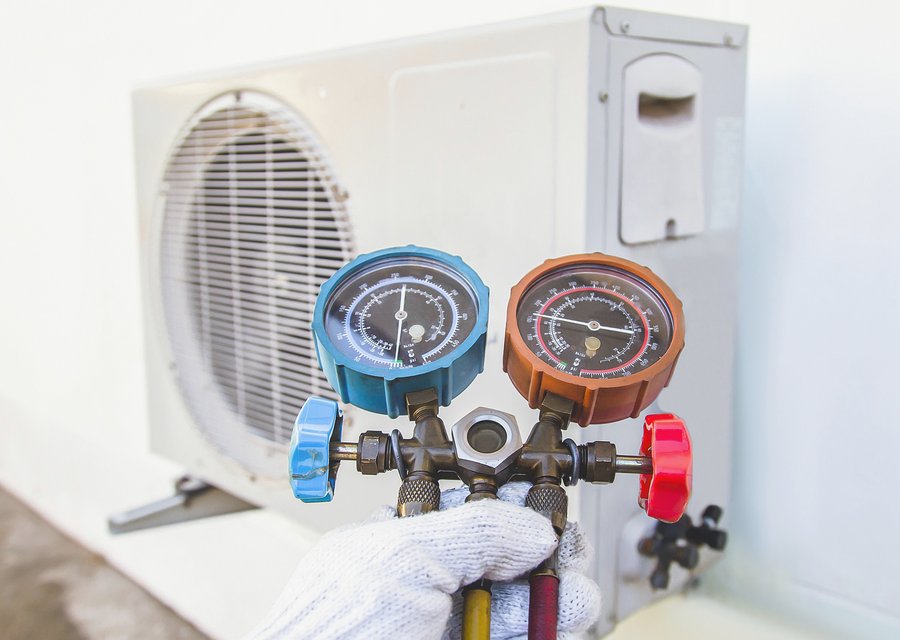
When an air conditioner runs but does not cool, common culprits include low refrigerant from a slow leak, a failed capacitor, or a dirty outdoor coil that cannot shed heat.
Weak airflow from vents
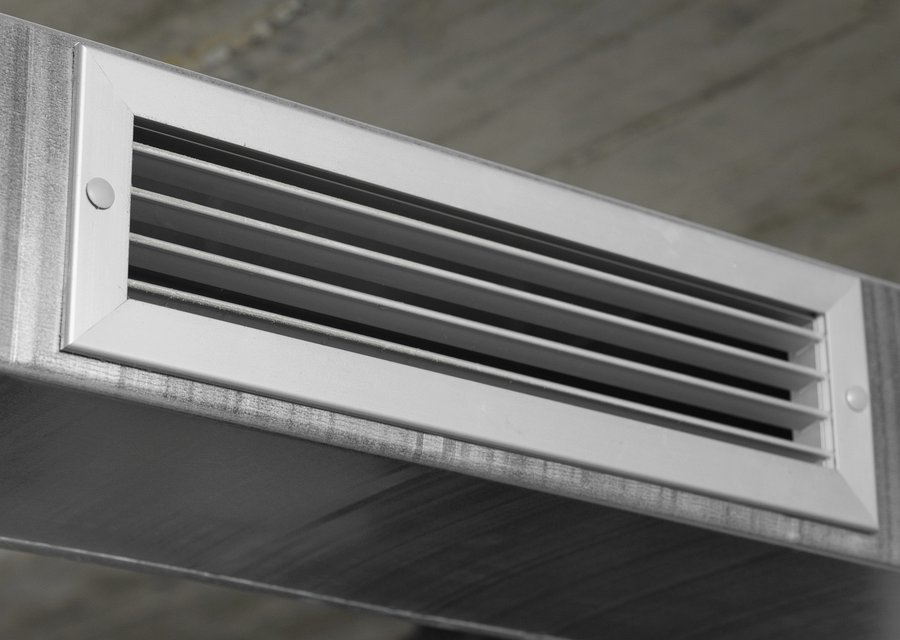
Weak or uneven airflow usually points to a clogged filter, leaky ductwork, or a failing blower motor. Left alone it forces the system to run longer and drives up energy bills.
Why Choose a Local Texas Company
Same-area service means faster response when the weather turns and equipment fails at the worst moment. Established local providers stand behind their work long after the invoice is paid. Understanding the regional climate means recommendations sized for real conditions, not national averages.
Seasonal Tips for Texas Homes
- Set ceiling fans to run counterclockwise in summer so you can raise the thermostat a couple of degrees without losing comfort.
- Book pre-season AC tune-ups in early spring — waiting until the first heat wave means longer waits and higher stakes.
- Keep the condensate drain line clear; in humid climates algae builds fast and an overflow can shut the system down mid-summer.
- Rinse the outdoor condenser coil each spring — in long cooling seasons a dirty coil can cut efficiency by double digits.
Frequently Asked Questions
Should I repair or replace my system?
A common rule: if the unit is past 12 years old and the repair costs more than a third of replacement, replacement usually wins. A technician can weigh age, efficiency, refrigerant type, and repair history for your specific unit.
Is emergency HVAC service available?
Many local providers, including Countryside Heating & Air, take urgent calls — a failed furnace in winter or dead AC in a heat wave should not wait. Call (682) 317-9816 to check availability.
Why is my AC running constantly in summer?
During heat waves some runtime is normal, but nonstop operation with poor cooling suggests low refrigerant, dirty coils, duct leaks, or an undersized system. A service visit can pinpoint which.
How often should I change my air filter?
Every 1–3 months for standard filters, depending on pets, dust, and usage. A clean filter is the cheapest way to protect airflow, efficiency, and indoor air quality.
What size HVAC system does my home need?
Sizing depends on square footage, insulation, windows, ceiling height, and local climate — not guesswork. An oversized unit short-cycles and an undersized one never keeps up, so a proper load calculation matters.
Recent Work
Other Providers in Texas
- Controlled Air Inc — Colleyville, TX
- B&B Heating and Cooling — Crowley, TX
- Elm Tree Heating and Air LLC — Euless, TX
- Mason & Grant Air Handling Inc — Bedford, TX